

CLUB RECAP: Tucker Carlson, Father of Rage Bait
UNASB reads & discusses a chapter from the new book ‘Hated by All the Right People: Tucker Carlson and the Unraveling of the Conservative Mind’’

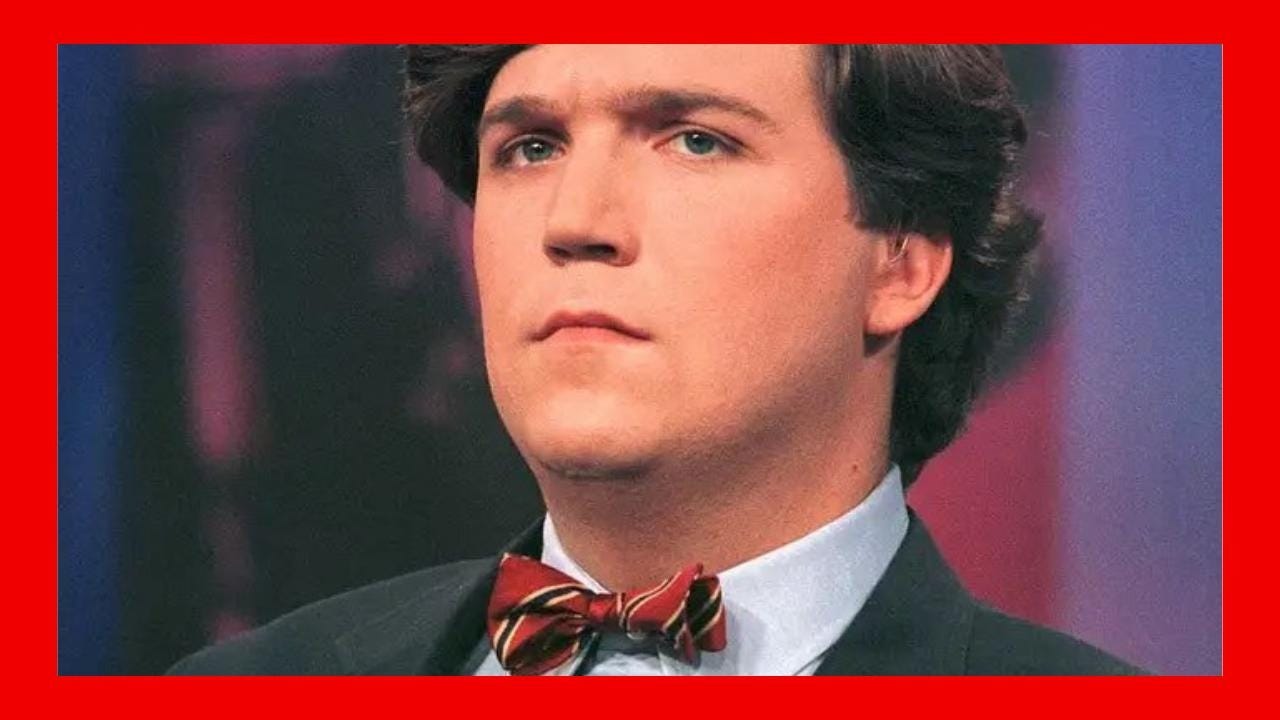
Welcome back to UNASB! This newsletter serves as a recap of our last meeting. As a reminder, here at UNSAB, we listen to conservative-leaning podcasts, analyze their messaging and themes, and brainstorm actionable ideas for how the Democratic coalition can strengthen its own approach.
Before we dive into our latest recap, we want to remind everyone reading this that now is the time to reach out to every apolitical or right-leaning person in your life to make sure they know about the murders and kidnappings in Minnesota (and across the country). When we started UNASB a year ago, we believed long-form persuasion conversations with the people you know was one of the only ways to break through this polarized environment. We still believe that, but know things are moving at a terrifying speed. The time to act is now. Give people in your life the room to change their mind about this administration. If you don’t know where to start, read our op-eds or send us an email at unasbtheclub@gmail.com.
Now, for your regularly scheduled recap...
UNASB interrupted our regular podcast listening to read chapter five of Jason Zengerle’s new book Hated by All the Right People: Tucker Carlson and the Unravelling of the Conservative Mind. Since we recently welcomed a new cohort, it felt appropriate to take a look back at the origins of the conservative media movement and Tucker’s role in it. Zengerle also joined us to answer our questions and discuss his reporting in greater detail.
The book follows Tucker Carlson’s rise through conservative media and his ideological transformation over the past 30 years. Chapter five covers an inflection point in Carlson’s career and in our media landscape: the creation of the Daily Caller and, subsequently, rage bait.
In 2010, Carlson launched the Daily Caller, an online news outlet dedicated to bringing a professional and serious publication to conservative media. In its infancy, the Caller was committed to facts and prioritized journalistic norms. Tucker soon learned that strategy was not conducive to getting clicks or growing an audience, essential for the site’s survival.
The Caller’s staff struck gold when they discovered rage bait
Articles incorrectly implying an unpopular RNC Chair attended stripclubs, and “ousting” the liberal media’s scheming to help Obama win the 2008 election propelled the Caller’s readership and links from other publications. The success of these misleading and inflammatory articles led to a shift in Carlson’s strategy for the Caller. Rather than committing to formal journalistic norms, the Caller began to focus on what could make its readers the angriest (and generate the most amount of revenue). There was blowback and controversy, but what the Caller was losing in credibility with mainstream media (or readers), it was gaining in revenue and a passionate following from its conservative base.

A snapshot of some of the rage baiting titles the Caller has used over the past 15+ years
The evolution of the Caller is a fascinating examination of both Tucker Carlson’s motivations and how the online media landscape incentivizes rage baiting and extremism. He initially founded the Caller on the argument that conservatives were struggling because they refused to put “accuracy” first and instead focused on bombast and opinion in their media. In 2008, he was arguing that media organizations that don’t care about accurate news will fail.
The past 15+ years have shown us that this is simply not true.
The Caller’s success evolved from its original purpose into “a website that would be less about facts and more about feelings”, highlighting how revenue on the internet is generated (clicks, links, shares, etc), fundamentally changed how media organizations, especially entirely online ones, can succeed.
For how much the right accuses the left of being snowflakes, it’s clear they have big feelings too. Carlson, Breitbart, and so many of the conservative thought leaders UNASB has focused on have harnessed and encouraged the right’s anger, fear, and frustration for huge profits and political influence through rage baiting them with clickable titles and misleading or outright fake news.
Tapping into emotions, especially negative ones, has proven wildly effective in our current media landscape and attention economy
This type of media, whether it’s in an online newspaper or a podcast, especially resonates with, and targets, people who feel the status quo is failing them.
During our chat with Zengerle, we discussed why this type of content was so appealing and why the left was so blindsided by the shifts in people’s beliefs it prompted. Zengerle’s response was that it came down to Americans’ distrust, frustration, and anger with our current systems and institutions, which conservative media has been feeding into for nearly 20 years.
Over multiple election cycles, while the right has been infuriating and mobilizing its readers, the left has failed to meaningfully engage with the lived realities of everyday Americans. The politics being offered often do not reflect the pressures people are actually facing, such as the cost of rent, economic insecurity, and day-to-day survival. The left has instead wrongly assumed that people want to protect our institutions despite them being largely ineffective at providing the support and social safety net they need. When approaching the 2016, 2020, and 2024 elections through this lens, it is obvious why someone like Trump, who wants to dismantle our institutions, is so popular.
Right-wing media does a great job of validating people’s anger and frustration by leading with emotions. While publications like the New York Times are delivering accurate and thorough news across their platforms, Zengerle noted that, outside the opinion column, they aren’t telling people how they should feel, and more importantly, who they should be mad at. In other words, they don’t rage bait us.
Key Takeaways
The internet favors the extreme.
The crazier sounding, the more absurd the better! In a world oversaturated with content, both people and algorithms are drawn to the most extreme version of an idea. We saw the start of this with The Caller, and it’s only gotten more pronounced as we’ve adapted to short-form content and podcasts.
Emotions are profitable.
Emotions, especially negative ones, are the north star guiding so much of the pundits, podcasters, and commentators on the right.
Conservative media owns their beliefs, no matter how controversial.
Part of the Callers’ and Breitbart News’ success that Zengerle covered in Hated Chapter 5 was that they owned what they were saying and didn’t really care about the backlash. The Caller’s success really took off when they tried to create controversy and make people, not only in their audience but across the political spectrum, mad.
Making what we learned actionable
We can play the blame game too!
The Caller and subsequent conservative publications and podcasts are always ready to place blame on everyone, from the establishment politicians and the LGBTQ+ community to immigrants. If the left were to call out billionaires and really dial in on affordability with the same outrage that conservative media brings to culture war issues, we’d have a far better chance at finding common ground than we currently do. This includes traditional media.
Running a campaign on protecting institutions is not going to win elections.
This was especially apparent during the 2024 election, when the Kamala Harris campaign, which largely centered on saving our political institutions from Trump, didn’t work. Institutions are not working for the vast majority of Americans; the left needs to run on a platform that focuses on making them better, not just maintaining them.
We should be mad and tell other people why they should be mad too.
As mentioned earlier, negative emotions are powerful, and when we can collectively channel our rage toward a common good, we can have a huge impact. A great example of this was this past summer, when Jimmy Kimmel was reinstated by ABC/Disney due to people’s collective Disney+ cancellations and outrage over his unfair firing. Given the kidnappings and murders happening in Minnesota right now, it’s critical that we’re not just angry, but vocal, urging everyone who will listen to be outraged as well. Drown out the Trump administration’s, and right-wing media’s, lies about what’s happening with your voice and the voice of everyone you know.
WHAT UNASB MEMBERS ARE READING:
A Little-Noted Element Propelled Mamdani’s Rise: Gen Z Loneliness
You’ve Heard About Who ICE Is Recruiting. The Truth Is Far Worse. I’m the Proof.
Republicans’ New Health Care Strategy: Lie Loudly. Lie Often.
Looksmaxxing’ Reveals the Depth of the Crisis Facing Young Men
A Trump Veto Leaves Republicans in Colorado Parched and Bewildered
How Jessica Reed Kraus Went from Mommy Blogger to MAHA Maven
Thanks for reading! Want to get involved? Click here.
 |
|